

Jade & Tahitian Pearl 19.5-inch Necklace – Sterling Silver
Tahitian · Sterling silver
Tahitian
$920
Ready to ship or made to order
Saltwater - Tahitian pearl jewelry
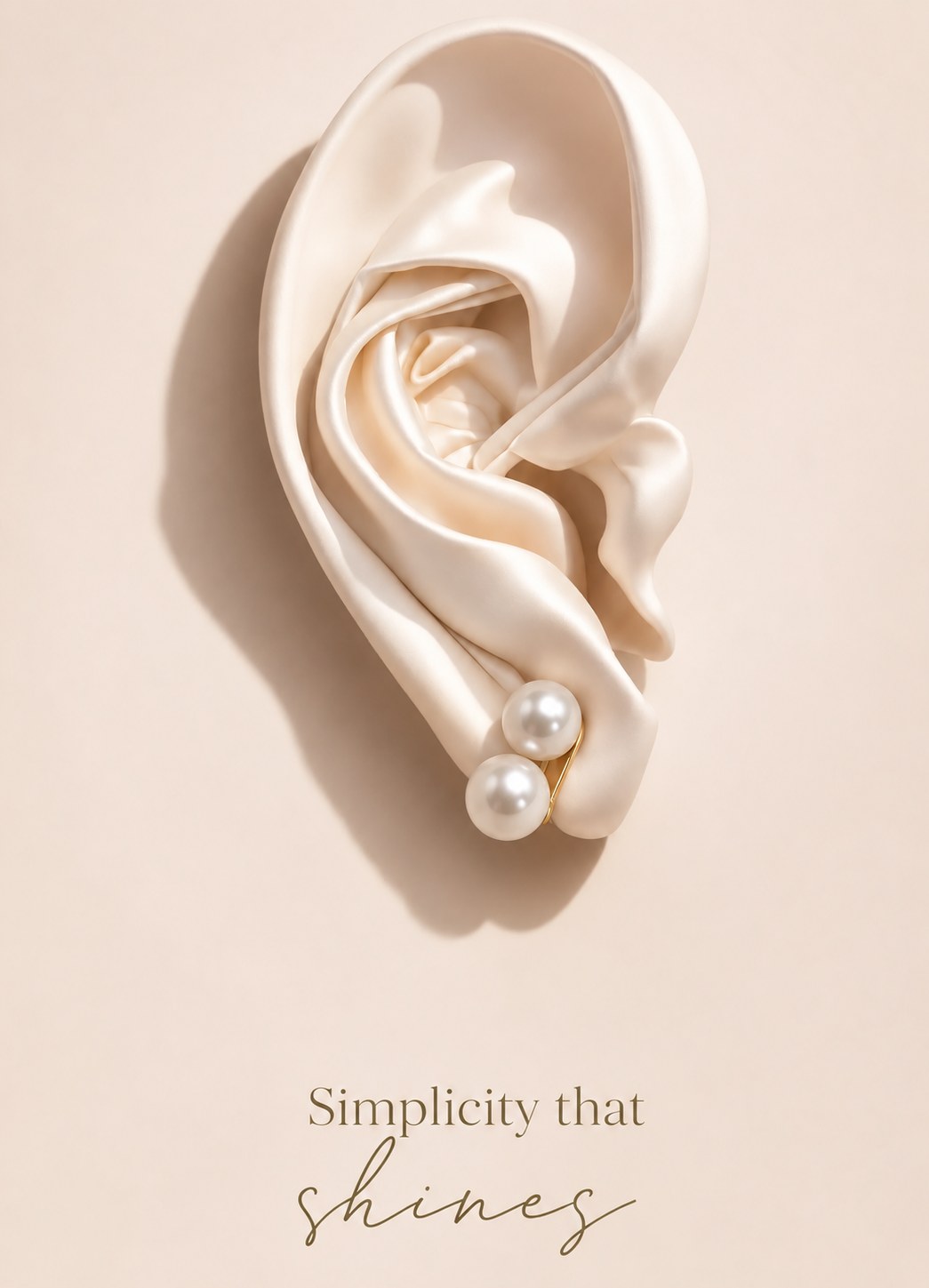
The everyday pair
Studs for every day and drops for evenings, in Akoya, freshwater and South Sea pearls. Each pair is matched by eye for size, color and luster.
Tahitian · Sterling silver
Tahitian
$920

Akoya & Tahitian · Yellow gold
Akoya & Tahitian
$620

Freshwater & Tahitian · Sterling silver
Freshwater & Tahitian
$1,100

Tahitian & White South Sea · Sterling silver
Tahitian & White South Sea
$1,250

Tahitian
Tahitian
$620

Tahitian
Tahitian
$920

Tahitian
Tahitian
$480

Tahitian · 10.3–12.5mm · Sterling silver
Tahitian · 10.3–12.5mm
$920

Tahitian · 10.0mm · Sterling silver
Tahitian · 10.0mm
$840

Tahitian · 12.0mm · Sterling silver
Tahitian · 12.0mm
$678

Tahitian · 10.6mm · Sterling silver
Tahitian · 10.6mm
$678

Tahitian · Sterling silver
Tahitian
$920

Tahitian
Tahitian
$1,880

Tahitian · 12.5mm · Yellow gold
Tahitian · 12.5mm
$5,180

Tahitian · Yellow gold
Tahitian
$840

Tahitian · 7.7mm · Yellow gold
Tahitian · 7.7mm
$840

Tahitian · 11.5mm
Tahitian · 11.5mm
$380

Tahitian
Tahitian
$5,100

Tahitian · Rose gold
Tahitian
$1,100

Tahitian · White gold
Tahitian
$2,560

Tahitian · White gold
Tahitian
$456

Tahitian · 12.7mm
Tahitian · 12.7mm
$1,980

Tahitian · 12–14mm
Tahitian · 12–14mm
$8,550

Tahitian
Tahitian
$1,880

Akoya & Tahitian · White gold
Akoya & Tahitian
$1,120

Tahitian · White gold
Tahitian
$2,560

Tahitian · White gold
Tahitian
$6,200

Tahitian · White gold
Tahitian
$3,200

Tahitian · Yellow gold
Tahitian
$2,200

Tahitian · Yellow gold
Tahitian
$420

Tahitian · Yellow gold
Tahitian
$2,200

Tahitian · Rose gold
Tahitian
$6,200

Tahitian · White gold
Tahitian
$6,500

Golden South Sea & Tahitian
Golden South Sea & Tahitian
$1,200

Tahitian · 12.6mm · Yellow gold
Tahitian · 12.6mm
$3,920

Tahitian
Tahitian
$8,200

Akoya & Tahitian · Rose gold
Akoya & Tahitian
$6,400

Tahitian · 8.0–10.5mm · White gold
Tahitian · 8.0–10.5mm
$8,400

Tahitian
Tahitian
$2,200

Tahitian · Sterling silver
Tahitian
$1,890

Tahitian · White gold
Tahitian
$5,665

Tahitian & White South Sea · Yellow gold
Tahitian & White South Sea
$8,200

Tahitian · Yellow gold
Tahitian
$520

Tahitian
Tahitian
$1,888

Tahitian · 14.0mm · Yellow gold
Tahitian · 14.0mm
$6,200

Tahitian & White South Sea · White gold
Tahitian & White South Sea
$1,520

Tahitian · 12.5mm
Tahitian · 12.5mm
$5,600

Tahitian · 12–13mm · Yellow gold
Tahitian · 12–13mm
$4,290

Tahitian
Tahitian
$332

Tahitian
Tahitian
$880

Akoya & Tahitian · White gold
Akoya & Tahitian
$880

Tahitian · 15.5mm · Rose gold
Tahitian · 15.5mm
$920

Tahitian · 12.3mm · White gold
Tahitian · 12.3mm
$2,200

Tahitian · White gold
Tahitian
$1,886

Akoya & Tahitian · White gold
Akoya & Tahitian
$6,200

Tahitian
Tahitian
$450

Tahitian · 12.0mm
Tahitian · 12.0mm
$382

Tahitian · Sterling silver
Tahitian
$308
Buying guide
Tahitian pearls grow in the black-lip oyster, Pinctada margaritifera, in the lagoons of French Polynesia. They are the only naturally dark pearls cultured in quantity, in tones from silver and charcoal to peacock green and aubergine.
The dark color comes from the black lip of the oyster that grows the pearl. On top of the body color sits the overtone, the second color that moves across the pearl as it turns. Peacock, a mix of green, gold and rose over dark gray, is the most sought after, but the right color is the one that suits your skin.
We look at luster and overtone first, then nacre and surface. French Polynesia required a minimum nacre thickness for export until 2017, and thinner pearls have been legal since, so the seller’s own selection is now the only check. We assess the nacre on every strand. Tahitian pearls are grown in far smaller numbers than Akoya, so for these we describe the surface instead of scoring it.
Perfectly round Tahitians are the rarest and cost the most. Drops make beautiful earrings and pendants, and circled and baroque pearls carry the same color at a gentler price, with more character. A graduated strand, larger at the front, is a classic Tahitian style.
For studs and pendants, 9–10mm is the most worn. Strands usually run 8–11mm. Men often choose a single 10–12mm stud or a strand at the larger end.
Genuine Tahitian pearls are naturally dark; their color comes from the black-lip oyster. Dyed freshwater and Akoya pearls are sometimes sold as black pearls. Ask us about any piece and we will tell you what the pearls are and whether they have been treated.
No. Few are truly black. Most are gray, charcoal or silver with green, blue, rose or aubergine overtones, and some are light pistachio. The mix of body color and overtone is what makes each one different.
Size, roundness, luster and a clean surface all raise the price, and they compound: a large, round, high-luster pearl with a strong overtone is rare. Baroque and circled pearls offer the same color for less.
Yes. Their dark tones suit men’s jewelry well. A single stud, a pendant on a chain or a strand of 10mm and up are the pieces men choose most often.
The same way as any pearl: put them on last and take them off first, wipe them with a soft cloth after wearing, store them flat away from other jewelry, and have strands restrung when the silk loosens.


